⚠️For informational purposes only. Do not consume, handle, or apply any plant for medical purposes based on this profile alone. Always consult a qualified expert. Poison Control: 1-800-222-1222. Full disclaimer →
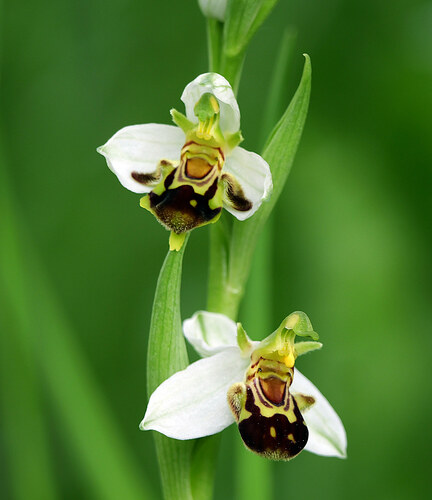
Bee Orchid
📚 Ophrys apifera
📍 Europe, North Africa, Middle East, Mediterranean basin
The Bee Orchid is a captivating wildflower that mimics the shape and scent of a female bee to attract male bees for pollination. Its intricate pink and brown flowers bloom in late …
The Bee Orchid is a captivating wildflower that mimics the shape and scent of a female bee to attract male bees for pollination. Its intricate pink and brown flowers bloom in late spring to early summer, making it a favorite among orchid enthusiasts. Native to Europe and parts of the Mediterranean, it thrives in poor, calcareous soils.
💚Health & Benefits
🐝 Pollinator Friendly☀️ Drought Tolerant✓ Safe for Humans🐾 Pet Safe
Adds unique beauty to wildflower gardens and meadows with its striking, bee-like flowers. Supports local pollinator populations by providing nectar and engaging in specialized poll…
Adds unique beauty to wildflower gardens and meadows with its striking, bee-like flowers. Supports local pollinator populations by providing nectar and engaging in specialized pollination. Low-maintenance and drought-tolerant once established, ideal for naturalistic planting schemes.
Generally pest-free but may be affected by slugs or snails in damp conditions. Overwatering can lead to root rot.
🌱Care Instructions
🪨 Soil: well-drained, alkaline to neutral, sandy or chalky loam
Bright indirect light, moderate watering when soil is dry, well-drained alkaline soil, cool to mild temperatures (10-25°C)
✂️ Propagation
Propagate by seed sown in a sterile, well-drained medium; requires mycorrhizal fungi for germination. Division of established clumps is possible but slow.
⚖️Known Legal Restrictions
✓ No specific legal restrictions on record
Always verify with your local extension office or county regulations before planting, harvesting, or selling any plant commercially. Rules vary by state and municipality.